
Introduction
Lens implantation surgery and SMILE LASIK have revolutionized the field of refractive surgery, offering patients precise vision correction and rapid recovery. Despite the advanced technology, patients often have questions about potential complications, such as floaters, and the overall impact of lens implantation on eye health. SNU Ophthalmology at Snuseoul provides detailed guidance to help patients make informed decisions regarding these procedures.
Understanding Lens Implantation and Its Benefits
Lens implantation, often referred to as intraocular lens (IOL) surgery, involves inserting a synthetic lens into the eye to correct refractive errors such as myopia, hyperopia, or presbyopia. This procedure can be performed in conjunction with or as an alternative to SMILE LASIK. Unlike corneal laser surgery, lens implantation corrects vision internally, providing long-term stability and minimizing dependency on glasses or contact lenses. Patients considering lens implantation for health reasons should be aware of both benefits and risks, including potential complications like infection or inflammation, which are rare but manageable under expert care.
Floaters After SMILE LASIK Explained
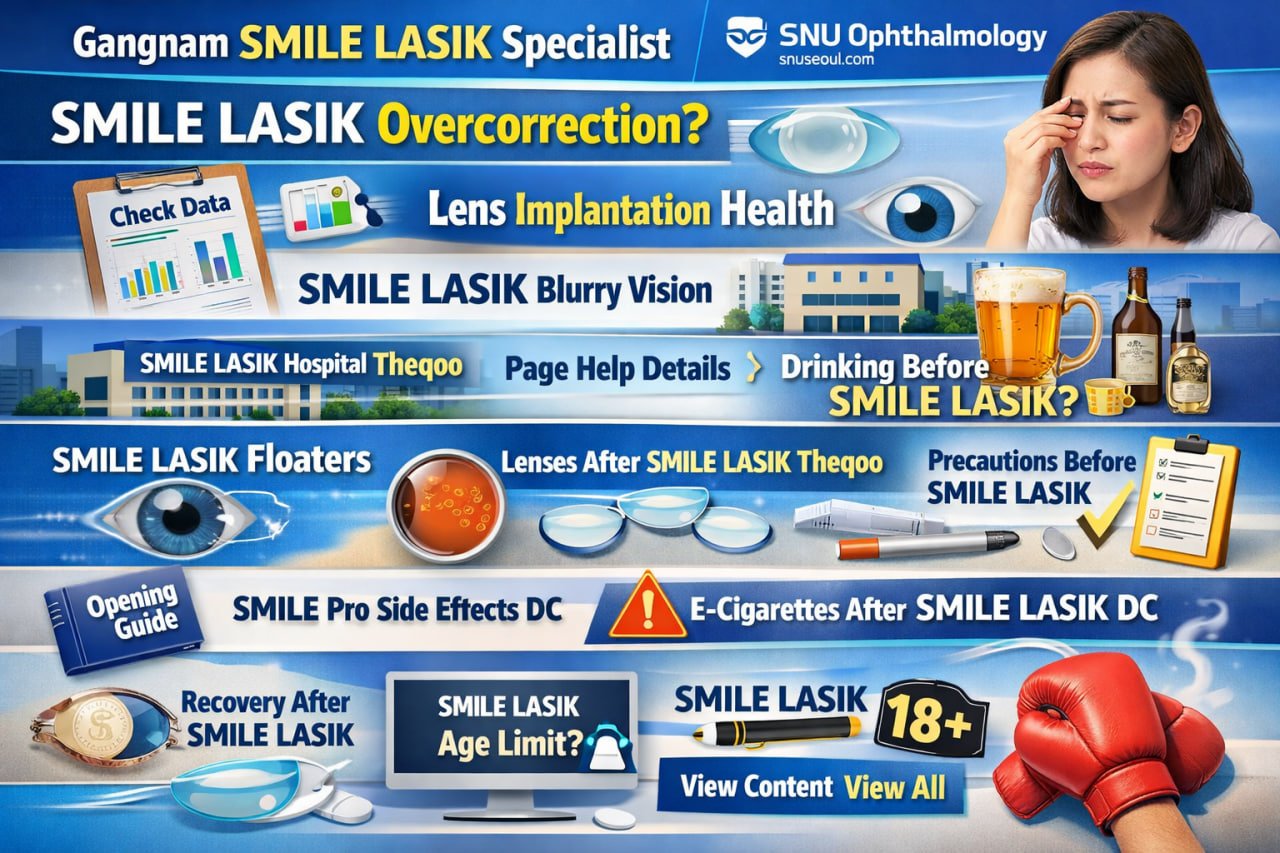
A common concern among SMILE LASIK patients is the appearance of floaters, small spots or shapes that drift across the visual field. Floaters often occur due to changes in the vitreous humor following surgery and are generally harmless. SNU Ophthalmology vision experts explain that while floaters can be alarming, they typically diminish over time as the eye adapts postoperatively. In some cases, preexisting conditions may exacerbate floaters, making thorough pre-surgery examinations critical for patient safety.
The Connection Between Lens Implantation and Floaters
Patients interested in lens implantation often ask whether the procedure affects the occurrence of floaters. The Snuseoul team clarifies that while lens implantation itself does not cause floaters, the surgical manipulation of the eye may temporarily accentuate their visibility. Additionally, lens implantation can influence visual perception, making preexisting floaters more noticeable. Comprehensive consultation and careful evaluation of the vitreous and retina help specialists anticipate these issues and provide personalized advice for post-surgery care.
Preoperative and Postoperative Care Guidelines
Successful outcomes for both lens implantation and SMILE LASIK rely on meticulous preparation and follow-up. Preoperative steps include comprehensive eye exams, corneal mapping, and assessment of overall eye health. Patients are advised to avoid certain medications or supplements that may affect clotting or healing. Postoperative care emphasizes the use of prescribed eye drops, limiting exposure to irritants, and monitoring for unusual symptoms. Floaters, if persistent or severe, should be reported to ensure early intervention. Snuseoul specialists provide detailed guidance for recovery to minimize risks and optimize visual outcomes.
Health Considerations and Patient Education
Eye health is a critical factor in choosing the right refractive procedure. Lens implantation may be particularly beneficial for patients with thin corneas, high prescriptions, or conditions unsuitable for SMILE LASIK. SNU Ophthalmology experts emphasize patient education, highlighting the importance of understanding risks, potential side effects, and recovery timelines. Reliable information from snuseoul.com can help patients make informed decisions and align expectations with realistic outcomes.
Patient Experiences and Insights
Many patients undergoing lens implantation or SMILE LASIK share their experiences online, including discussions about floaters, recovery challenges, and long-term satisfaction. These accounts underscore the importance of consulting experienced ophthalmologists who can tailor the procedure to individual needs. By combining medical expertise with patient feedback, Snuseoul ensures comprehensive care that addresses both health and lifestyle considerations.
Conclusion
Lens implantation and SMILE LASIK are safe and effective procedures for vision correction when performed under expert care. Understanding the potential for floaters, pre- and post-operative care requirements, and overall eye health implications is vital for successful outcomes. SNU Ophthalmology vision specialists at Snuseoul provide reliable guidance to help patients navigate these procedures confidently. For further information, visiting snuseoul.com can offer additional insights into patient experiences, procedural details, and recovery recommendations.